Two Sides of the Same Crisis: Climate, Security, and the Need for Co-Planning
Read moreKonstantin Brik is an intern at the Institute of Baltic Studies, Graduate of the International Relations program at the University of Warsaw and Graduate of the International Relations and War Studies program at King’s College London.
At the Institute of Baltic Studies, we view security as more than just military protection. Our human security and resilience research area focuses on how people, communities and institutions cope, evolve and develop during crises. Wars and armed conflicts directly impact the safety of people and communities and their ability to cope with daily life. As such, it is important to understand what war is and when it starts.
In an era where a declaration of war is a rarity but armed conflicts, unfortunately, are not, we may find it difficult to determine the exact point in time when a war begins. If wars are presented to the international community as a fact, do they start at the very moment that the first soldier sets foot on foreign land? Instead of giving a firm answer to this question, the following paragraphs explore the topic with the aim of introducing the aspects of war that deserve thorough attention.
A technical approach to studying and planning war-waging would lead us to a resolute answer that wars may start (long) before the initial invasion, with the early stages of collecting intelligence about the potential adversary and planning the assault.
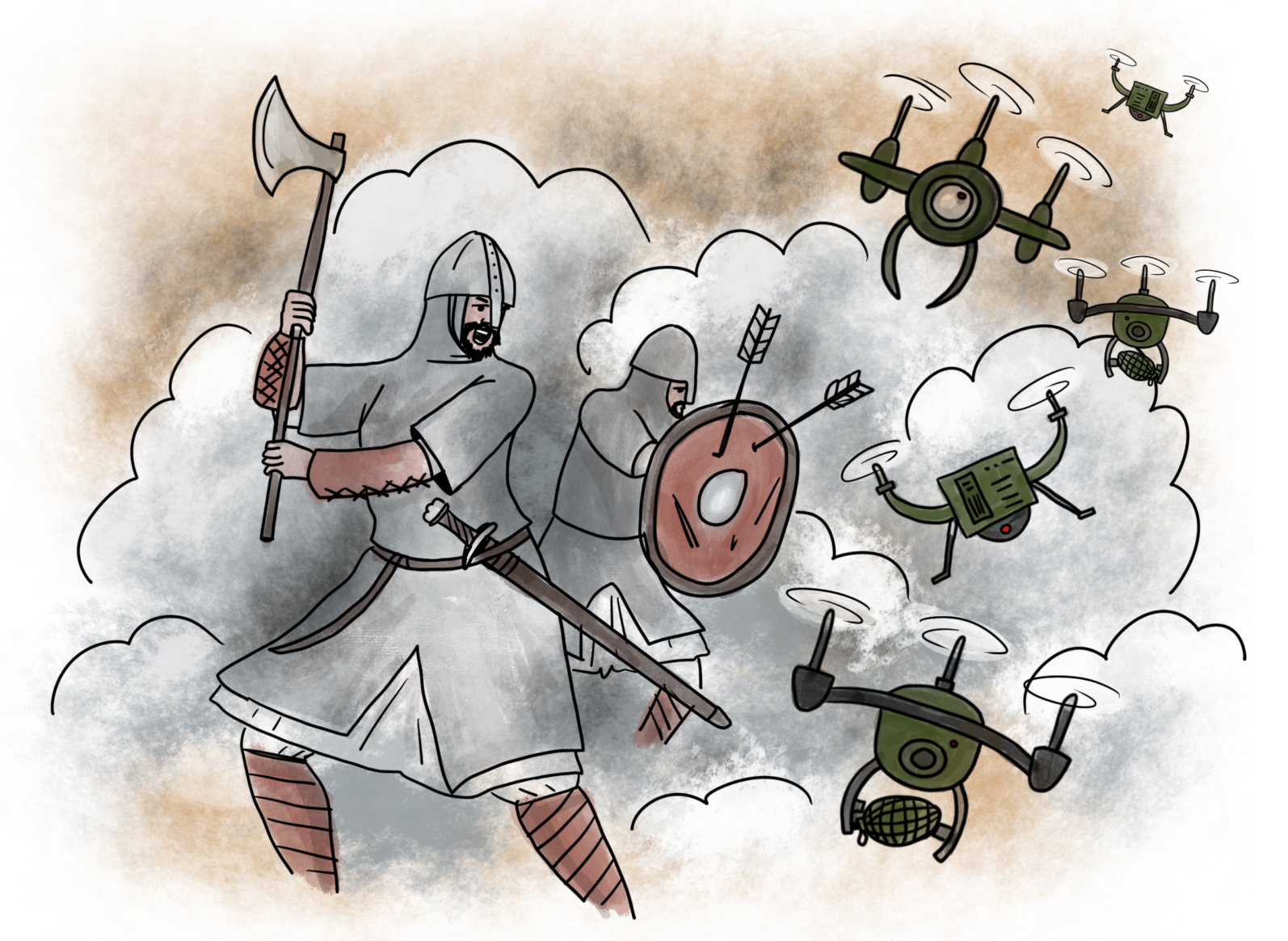
Nevertheless, the recognition of the fact that wars happen more often than they are declared invites us to think somewhat more critically: is there a certain constellation of actions and conditions that becomes war or, to put it simply, what is war? In lengthy academic discussions, present-day scholars still refer to Clausewitz (1), who defined war as “an act of force to compel our enemy to do our will”. As loose as this definition may seem at first glance, it is worded this way intentionally: it captures the unchanging nature of war, its essence, that can take various perceivable forms. There is little doubt that ancient wars fought with swords and shields were wars as real and true as are those currently fought with unmanned weapons. Even if war’s physical nature has changed, the underlying motive remained the same.
However, what exactly is required for an act of force to become a part of war? Does the fact that intelligence is being ceaselessly collected all over the world mean that we live in a permanent worldwide state of war? Or does the action require intent: mens militaris in addition to actus militaris? And when we consider whether every activity connected to war, such as the transport of supplies or the preparation of medical personnel, could, when viewed on its own, be regarded as part of war, the question arises of where we should draw the line.
Moreover, we can ask whether the actor matters. If not, even burglars, who also identify the targets, study their routines, and plan the detestable operation in advance, could be classified as generals and combatants rolled into one, waging a war against their fellow community members! On the other hand, if we decide that an actor type is indeed relevant, the limits of the pool of potential war-makers should be firmly determined. Can an unrecognised, so-called de facto, state declare a war? What about a non-state actor – do terrorists not seek to bend a target population to their will as well?
Additionally, we can think about the locality that a war can take place in. When conventional wars are fought on land, in the air, and on or in the sea, the definition is rendered obscure when hybrid warfare is taken into account. In the age of digitalisation, it is becoming less challenging to imagine – and conduct – an offensive operation unfolding solely in cyberspace and resulting in tangible damage: consider cyberattacks on medical facilities or automated elements of infrastructure, for instance. What is more, wars can also be waged in people’s hearts and minds, potentially nurturing among them beliefs and inclinations that could later threaten state security: nowadays, the Internet facilitates the spread of propaganda, while artificial intelligence can make it believable.
Regardless of our answers to the questions posed above, one central problem remains unsolved: who is to judge? In the international system, functioning under the state of anarchy, there is no universally accepted central authority that could swiftly dispense even seemingly impartial judgement on the questions of war. Post-war tribunals are by definition victor’s justice, even if one may differ from another in its neutrality. On the other hand, it would be rather foolish to leave the arrangement of post-conflict redressal to the war parties themselves. The problem of bias cannot be simply put aside since it impedes the discussions on the nature of war.
Even though this brief discussion leaves us with little to no clarity regarding the question of when an action (and what kind thereof) can transform into war, it paves the way for further inspection of war’s nature and character. This ever-pertinent endeavour may get us closer to comprehending the reasons as well as circumstances that allow wars to occur and end. This, by extension, may one day deliver humankind from at least some of the destructive consequences of this political phenomenon.
(1) Carl von Clausewitz “On War”
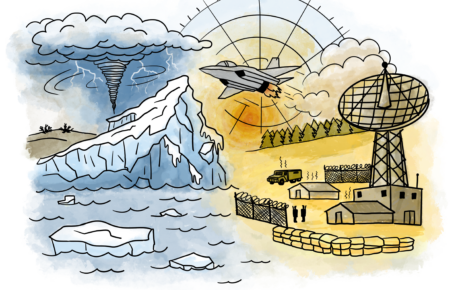
Illustration by Merike Paberits